
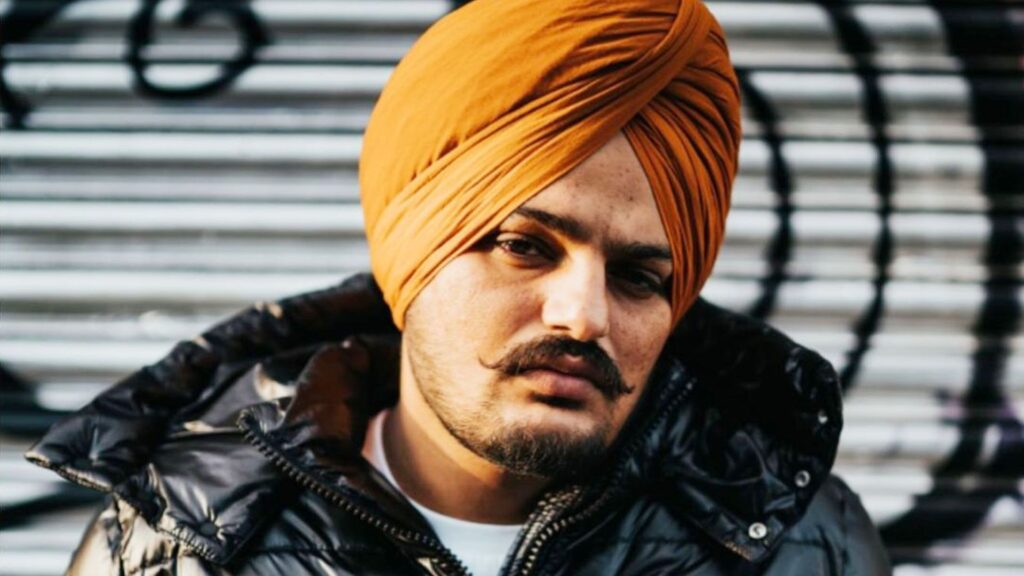
Who Was Sidhu Moose Wala?
Born as Shubhdeep Singh Sidhu in Moosa, he became far more than a Punjabi singer.
He became a cultural force.
His rise—from village storyteller to global icon—was built on three things:
- fearless lyricism
- unapologetic identity
- authenticity people could feel
He didn’t “perform” Punjab.
He embodied it.
That difference mattered.
Why His Death Changed Punjabi Culture Forever
When Sidhu was killed in 2022, it wasn’t just celebrity news.
It was trauma.
Fans compared the shock to the deaths of Tupac Shakur and Nipsey Hussle.
And honestly?
That comparison isn’t exaggerated.
Like them, Sidhu represented more than music:
- pride
- resistance
- place
- community identity
His death turned him into a symbol.
Symbols don’t disappear.
The Legacy of Sidhu Moose Wala in 2026
This is the core truth:
The Legacy of Sidhu Moose Wala in 2026 is bigger than his discography.
It now includes:
| Legacy Pillar | Impact |
|---|---|
| Music | Still charting globally |
| Culture | Punjabi pride icon |
| Fashion | Signature style copied widely |
| Politics | Youth activism symbol |
| Diaspora | Identity marker worldwide |
That’s rare.
Very few artists reach this level.
His Streaming Numbers Keep Rising
According to Spotify and YouTube trends, his monthly listenership remains among the strongest in Punjabi music.
That’s unusual for a deceased artist.
Why?
Because new listeners keep discovering him.
His top songs:
- 295
- So High
- The Last Ride
- SYL
These aren’t just nostalgic listens.
They’re entry points.
Unreleased Music Keeps Him Present
One major reason the Legacy of Sidhu Moose Wala in 2026 remains powerful?
Vault music.
Fans believe multiple unreleased tracks still exist.
Every rumor becomes news.
Every teaser trends.
That creates a strange phenomenon:
Sidhu still feels active.
Not gone.
His Lyrics Were His Superpower
Many artists had bigger marketing budgets.
Few had his pen.
His lyrics mixed:
- Punjabi rural storytelling
- gangsta rap confidence
- political commentary
- emotional vulnerability
That’s hard to replicate.
He could go from aggression to heartbreak in one verse.
That range built loyalty.
Why Gen Z Still Loves Him
Simple:
He felt real.
In an era of polished influencers, Sidhu felt unfiltered.
That matters to younger audiences.
Especially Gen Z.
They don’t just want talent.
They want truth.
Sidhu gave them that.
His Impact on Punjabi Hip-Hop
Before Sidhu, Punjabi music leaned heavily pop.
After Sidhu?
Hip-hop became mainstream.
Artists influenced by him include:
- Karan Aujla
- AP Dhillon
- Shubh
- Diljit Dosanjh (indirectly in market evolution)
He changed the commercial sound.
That’s legacy.
Sidhu and the Global Punjabi Identity
Ask a Punjabi teenager in:
- Toronto
- Vancouver
- London
- Melbourne
They know Sidhu.
Not because he was local.
Because he represented them globally.
That’s powerful.
Fashion Became Part of His Legacy
Signature elements:
- turbans
- oversized jackets
- traditional meets luxury
- tractors + chains imagery
Fans still copy it.
Merch sells.
Style becomes mythology.
Sidhu and Political Consciousness
Songs like SYL proved he wasn’t afraid of difficult topics.
That mattered.
Artists often avoid politics.
Sidhu leaned into it.
That courage became part of the Legacy of Sidhu Moose Wala in 2026.
The Business of a Legacy
Posthumous brands can collapse.
His hasn’t.
Revenue streams now include:
- streaming
- merchandise
- licensing
- documentary rights
- tribute events
This is now a managed estate.
Not just fandom.
His Family’s Role
Balkaur Singh and family have played a central role.
That matters.
Fans trust family-led stewardship more than corporate management.
It keeps the legacy authentic.
Social Media Keeps Him Alive
Instagram edits.
TikTok remixes.
YouTube reactions.
Memes.
Tributes.
Algorithms love emotionally resonant content—and Sidhu remains deeply resonant.
Brands Are Careful with His Image
No one wants to commercialize grief badly.
Smart brands avoid exploitation.
Instead they use:
- tribute sponsorships
- memorial campaigns
- fan collaborations
That restraint protects the brand.
Not Without Criticism
To be fair:
Sidhu had controversies.
Critics argued:
- glorification themes
- political tension
- lyrical aggression
But here’s the thing:
Controversy often strengthens cultural mythology.
History shows that repeatedly.
What Other Artists Learned
Three lessons:
1. Authenticity wins
No one connected like Sidhu.
2. Local identity can go global
Punjab became exportable culture.
3. Story matters
People followed him, not just songs.
Can Anyone Replace Him?
Short answer:
No.
Someone may become bigger commercially.
But replace him?
Impossible.
Legends occupy emotional territory.
Not chart positions.
Expert Perspectives
Music journalists increasingly compare him to:
- Tupac Shakur
- Bob Marley
- Nusrat Fateh Ali Khan
Why?
Because all transcended genre.
Sidhu did too.
FAQ: Legacy of Sidhu Moose Wala in 2026
Is Sidhu Moose Wala still popular in 2026?
Yes—extremely. His music continues to trend globally.
Why is Sidhu Moose Wala considered a legend?
Because he changed Punjabi music and culture permanently.
Are unreleased Sidhu Moose Wala songs still coming?
Fans widely believe more music exists.
Who carries his legacy forward?
His family, fans, and the Punjabi music industry.
What made him different?
Authenticity, fearless lyrics, and cultural pride.
Final Conclusion: Why the Legacy Keeps Growing
Most artists leave songs.
A few leave movements.
The Legacy of Sidhu Moose Wala in 2026 is no longer about remembering a star.
It’s about witnessing a transformation—from artist to icon.
That transformation is complete.
And the most remarkable part?
His story still feels unfinished.
That’s what legends do.
They leave before they’re done.
And somehow… keep speaking.
If you follow Punjabi music, don’t just revisit Sidhu’s hits—study his influence. Listen to today’s biggest artists, and you’ll hear him everywhere. That is the real Legacy of Sidhu Moose Wala in 2026.